
EN 590 is a European standard that sets the specifications for diesel fuel quality. EN 590 diesel fuel is an ultra-low sulfur diesel (ULSD) fuel, with a maximum sulfur content of 10 parts per million (ppm). This low sulfur content reduces emissions of sulfur oxides (SOx), which are harmful pollutants that contribute to acid rain and other environmental problems. EN 590 diesel fuel also has other specifications, such as density, flash point, cetane number, and distillation characteristics, to ensure efficient and safe combustion in diesel engines. The use of ULSD fuels like EN 590 diesel fuel with a maximum sulfur content of 10 ppm is an important step towards reducing the environmental impact of diesel engines and improving air quality.
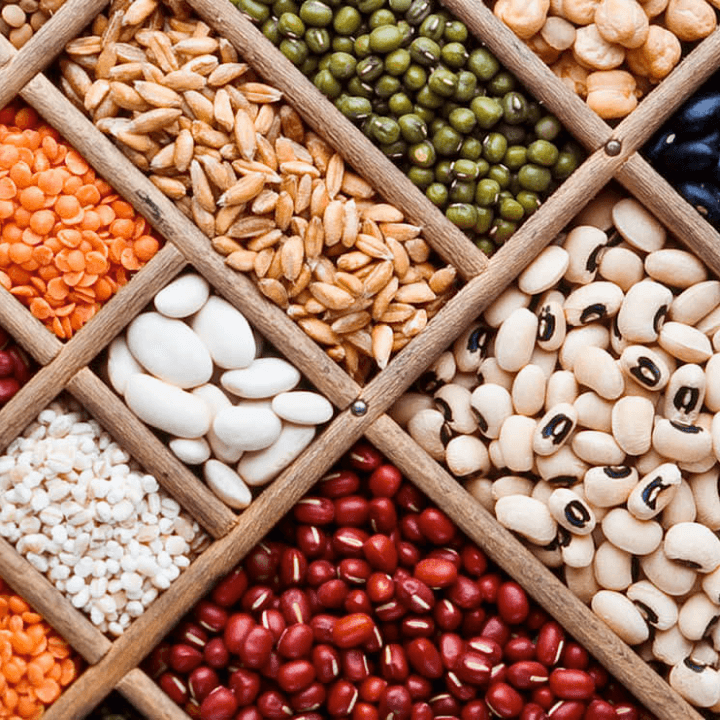
Dry goods are non-perishable food items that have a long shelf life and do not require refrigeration. Examples include grains, legumes, nuts, seeds, and dried fruits. These items are often purchased in bulk and stored in airtight containers to maintain their freshness. Food sources refer to the origin of food items and how they are produced or grown. Choosing a variety of dry goods and food sources can provide a well-rounded diet with essential nutrients, vitamins, and minerals. It is recommended to consume a diet rich in whole foods, including plenty of fruits and vegetables, whole grains, and lean proteins. Additionally, considering the quality of food sources can also promote a healthier and more sustainable diet.
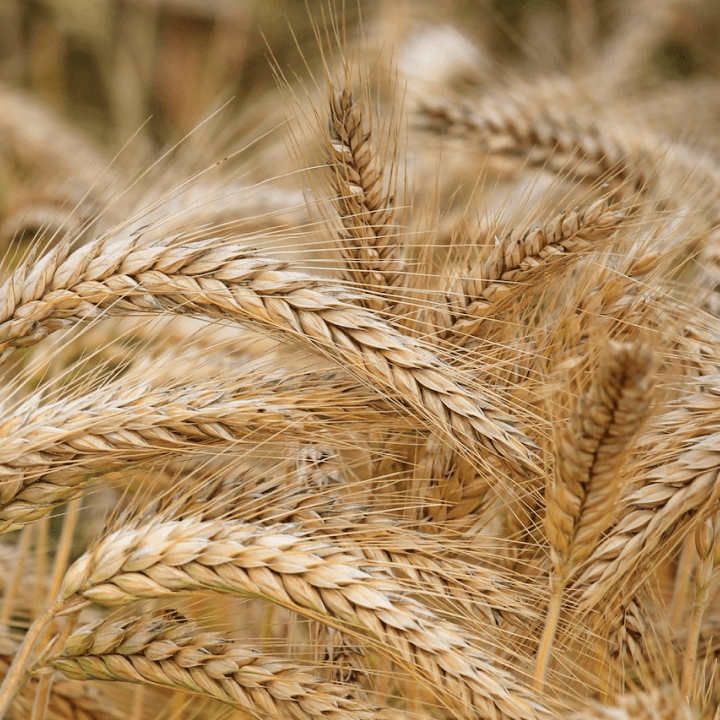
Wheat, corn, and soybeans are three commonly produced and consumed grains worldwide. Wheat is a good source of carbohydrates, protein, and fiber and is commonly used to make flour for bread and pastries. Corn is a good source of carbohydrates, dietary fiber, and protein, and is used to make various food products. Soybeans are a good source of protein, dietary fiber, and vitamins and minerals and are used to make a variety of food products. These grains are essential sources of energy and nutrients in a balanced diet and are also used in large-scale food production, contributing to global food security.
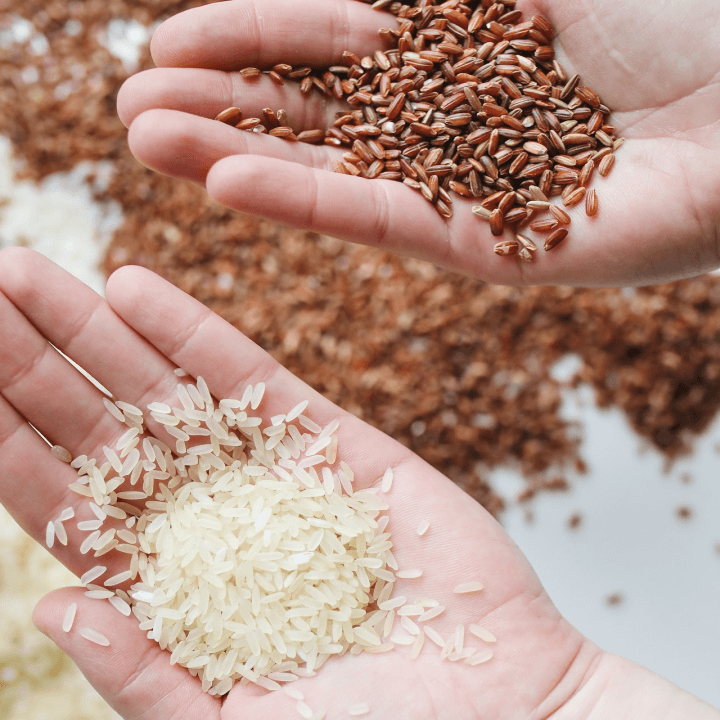
Rice is a staple food that comes in many varieties, with three common types being Basmati rice, Long-Grain White rice, and Parboiled rice. Basmati rice is known for its fragrant aroma and delicate, nutty flavor and is commonly used in Indian and Middle Eastern cuisine. Long-Grain White rice has a mild flavor and a fluffy texture and is versatile in a variety of dishes. Parboiled rice is partially cooked before it’s hulled, retaining more nutrients than regular white rice and having a nutty flavor and firmer texture. The type of rice to use depends on the dish and personal preferences, and experimenting with different types can help find the best fit.
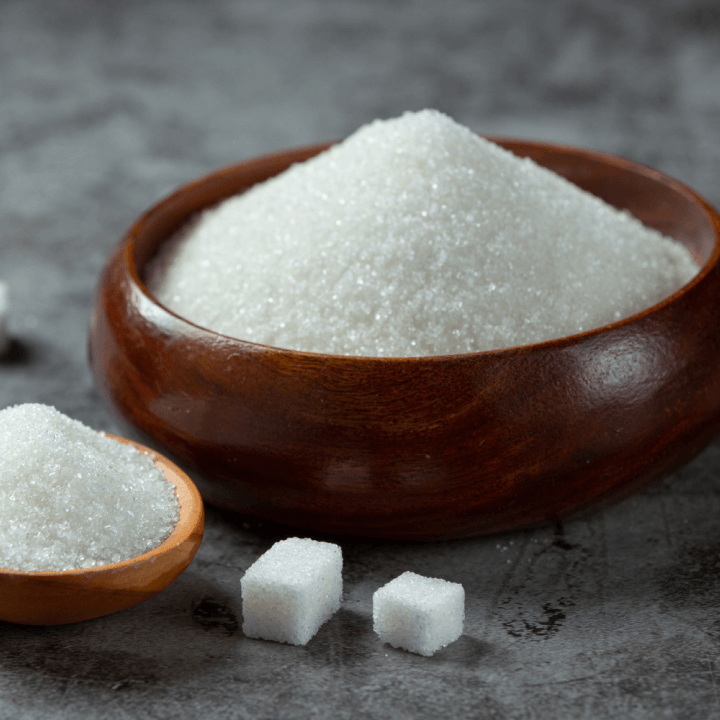
Sugar is a common household ingredient used in baking, cooking, and as a sweetener. There are different types and grades of sugar, with ICUMSA 3 45 and ICUMSA 150 being two common types. ICUMSA 3 45 is a premium product and is often used in high-end desserts, confectionery, and beverages. It has a fine crystal structure and is made from sugarcane or sugar beets. On the other hand, ICUMSA 150 is a slightly lower grade sugar that is suitable for industrial food production and everyday household use. It has a light brown color and a coarser texture. The choice between the two types depends on the intended use and personal preference.